




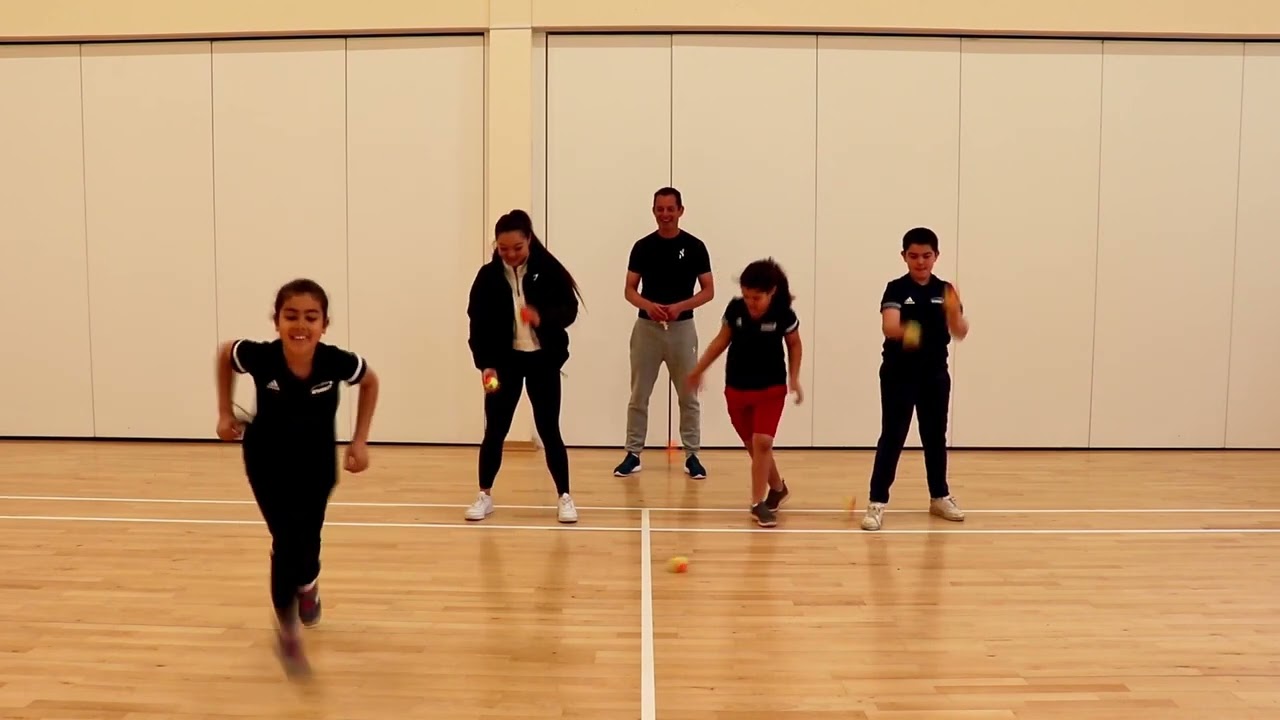
Motor coordination is the body’s ability to use multiple muscles together in the correct order to perform movements. Skill, on the other hand, is the ability to perform a specific task, like striking or catching a ball. Good motor coordination makes learning new skills much easier. Developing motor coordination also improves hand-eye coordination, tool use, academic development, and confidence. Without strong coordination, children struggle to learn new skills — so simple daily tasks like balancing on one leg, using both hands, or leading with the weaker leg on stairs can help build it effectively.
Trained children show better balance, faster reactions, and learn skills more easily because their neural pathways are more developed, allowing signals to travel quicker to the muscles. While genetics plays a role, motor coordination can be trained — and the fastest period of neural pathway development is around 2 years old. Starting with simple movements and gradually increasing complexity helps build coordination over time.
With just 5–10 minutes a day, children can improve motor coordination by 30–40% in three months. Better coordination boosts confidence, reaction speed, learning ability, and participation in physical activity — which is especially important as global inactivity and childhood obesity rise.
A simple teaching cycle helps build confidence: Teach, Listen & Give Feedback, Progress, Confidence Grows, and then move to the Next Level.
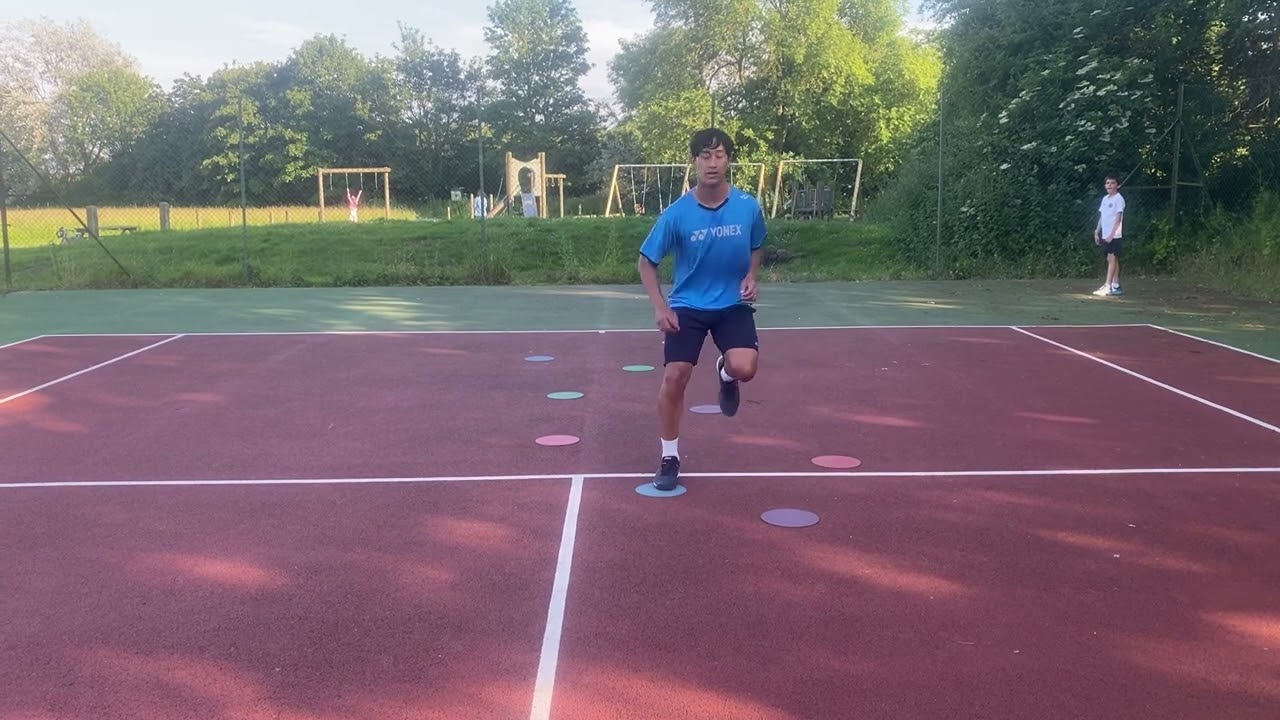
In order to let a child develop to its full potential in any given sport or activity, it is important to have a long-term player development plan. The greatest mistake made with children is to get them to specialise in one area too early. This gives them a limited skill set and prevents development of other important areas.
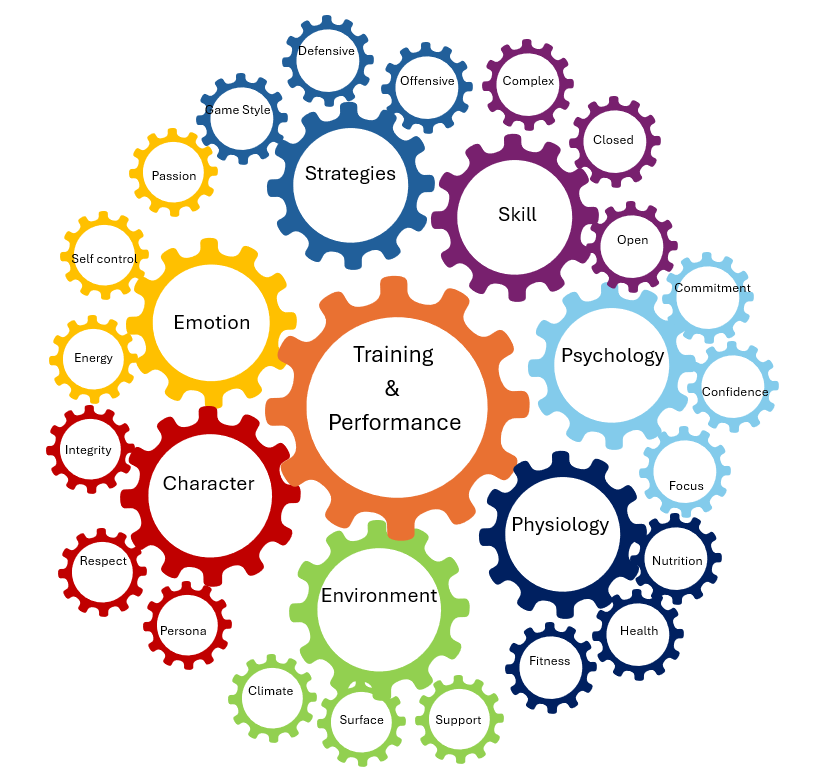
Most coaches focus on technical and tactical development, but have you ever thought of the different elements that make up the whole child.
The first time most people see the cogs chart, they’re amazed at the elements they had never considered. It’s rare for example that ‘Environment’ and ‘Emotion’ are considered in the individual. Then when these elements are broken down into their constituents, it becomes clear why elite athletes now have so many experts in their coaching team.
In Skill Kids however, we will give you a comprehensive guide on how to develop these areas in your child.
How Will a Long Term Player Development Plan Benefit my Child Physically ?
Early specialisation can lead to injury long term due to over-use of specific parts of the body. Prime examples are:
There are other factors such as the weight of the tools. Young feet kicking full size balls and young arms swinging heavy rackets and bats can over-stretch the joint tendons in a developing body and also develop muscles on one side of the body more than the other.
It’s also quite common that the child is not following a basic conditioning programme to strengthen every area of their body. Most of the time is spent in the sports arena with little focus given to effective warm up and warm down routines. Therefore, knee and shoulder injuries in the young are very common. Lack of motor coordination also plays a factor in this though, as inefficient movements lead to greater risk of injury. Working on skills such as balance and proprioception, (stabilising the joints throughout movement,) is also vital in preventing injury because it reduces the risk of twisting or over-stretching joints.
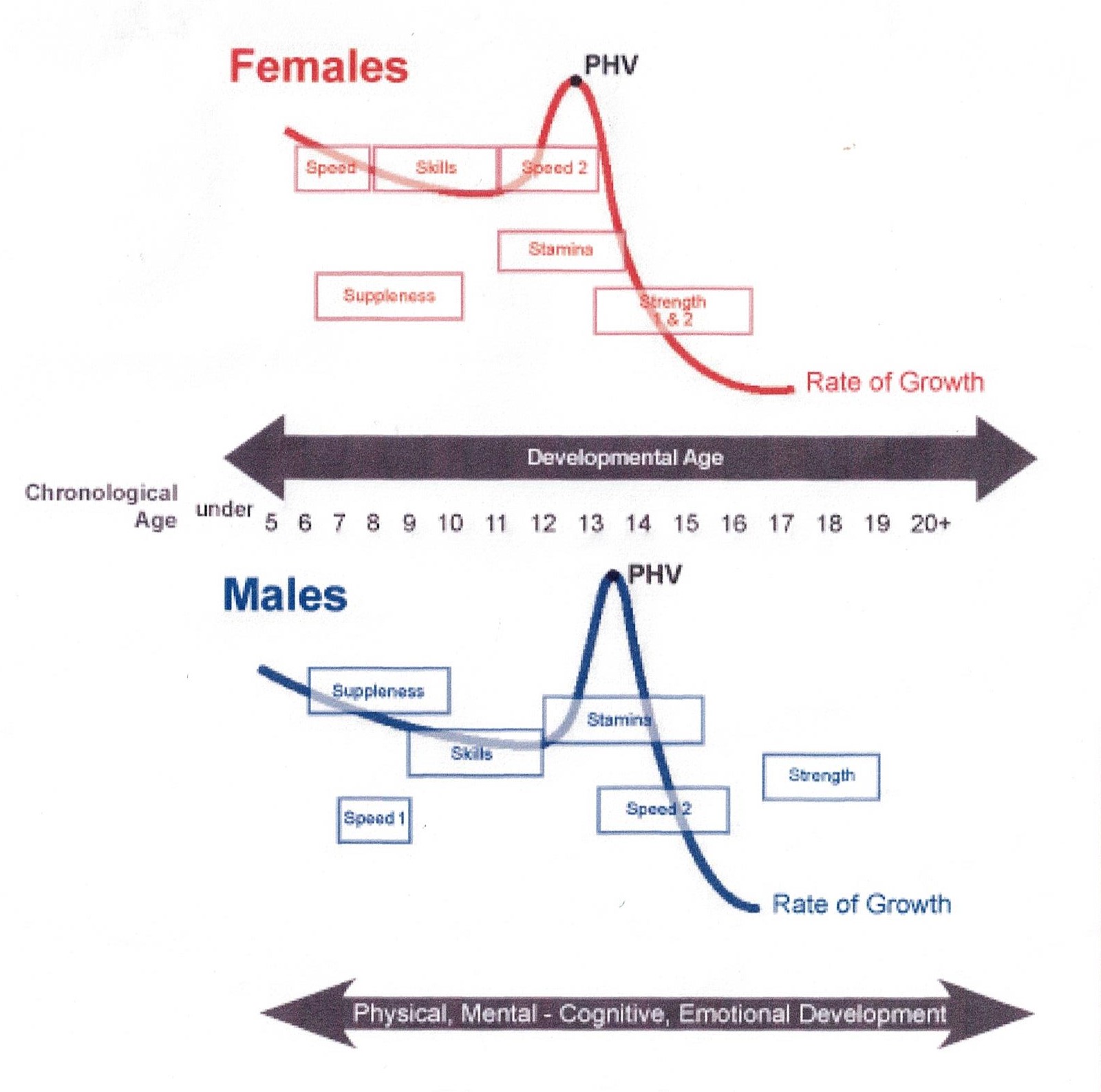
Did you know that there are optimal periods in a child’s growth to develop specific areas ?
Up to 10 years of age, children’s bodies are made for stop-start games, involving quick sprints, reactions and fun. They are also generally supple because their bodies are made to bounce more when they fall to prevent breaks. Therefore, it ‘s a good idea to set training around these areas.
You will see that as children get older, the body adapts more to allow stamina development. The body starts to produce lactic acid meaning you can incorporate gentle anaerobic work, (or higher heart rate), and then eventually you can introduce real strength work. This doesn’t mean you can’t do strength work when they are young, but the focus will be very different. It will look at stabilising joints and developing strength through a range of movement – rather than focus on lifting heavy weights and developing power. That is brought in later in the development phase.
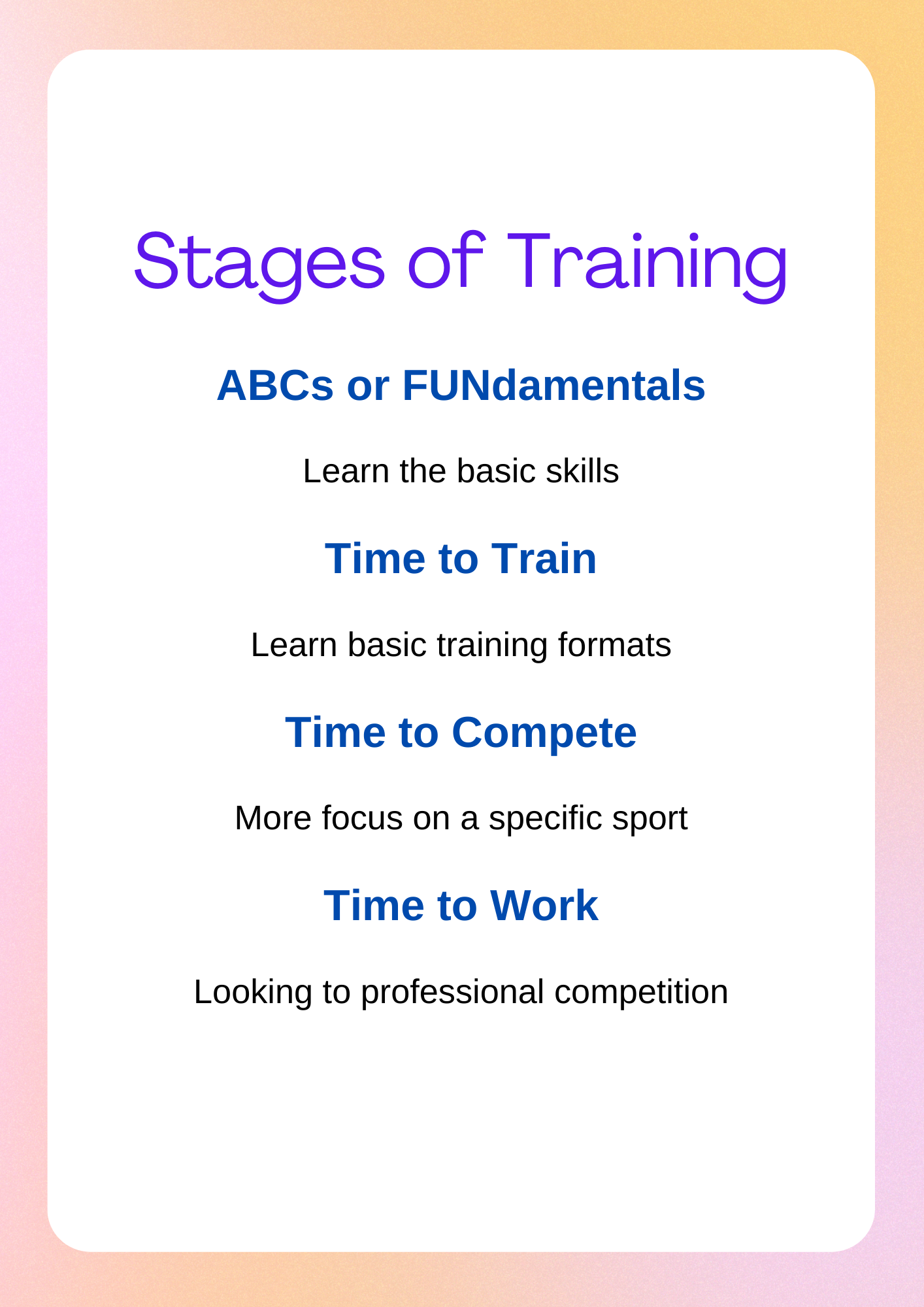
A child’s development to adult or professional stage can be broken into sections. The first section is learning the fundamental skills, and the child can then start to learn some basic training regimes. As they get older, the training gets more specific for the sport they are into, to the point where they may try to become a full-time competitor in that sport.
A proper long-term player development plan can be vital in giving a youngster a realistic chance of progressing to a high standard in their sport. Feel free to contact us for more details.
We work in partnership with children’s organisations and schools to help develop holistic approaches to motor coordination, skills and health development in children and young people. This ranges from starting groups of 3 years of age, up to World and Olympic level.
We can develop easy to use programmes at all levels with data feedback to show you the effectives of the programmes and increase participation. We can also give reduced mass premium subscriptions to organisations to encourage regular use.
This will all be backed up by our team of experts who will be continually on-call should you need our help.

Begin your wellness journey by downloading our app from your device's app store. Install it and prepare for a transformative experience.