



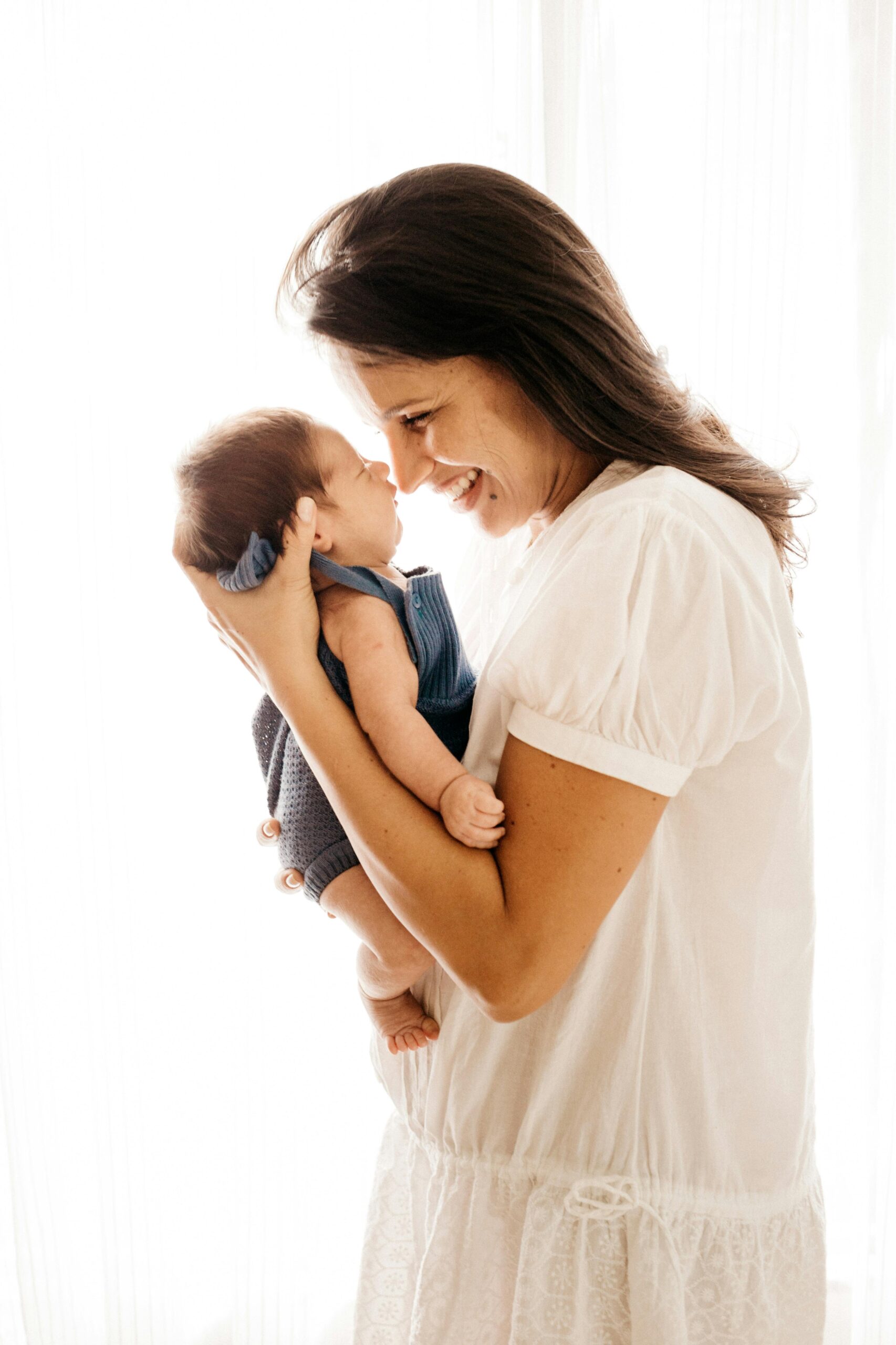
https://sportandhealth.world/wp-content/uploads/2024/08/PWNM-1-pic-1.jpg https://sportandhealth.world/wp-content/uploads/2024/08/PWNM-1-pic-2-scaled.jpg https://sportandhealth.world/wp-content/uploads/2024/08/PWNM-1-pic-3-scaled.jpg

Why is Important to Exercise Safely During Pregnancy and After the Birth ?

The standard response from medical professionals is to wait until 6 weeks after giving birth to resume a normal exercise schedule. However, many new mums have reported how this didn’t work for them. This isn’t a surprise because many things can happen to a woman after giving birth, and this can last for months or even years after giving birth. 

Let’s look at a few of them  
  • Trauma and scarring after the birth – Many women face scarring after the birth especially if they have had a C section. It takes time for these scars to heal, and the skin often feels stiff around the area as it repairs. Therefore, carrying out normal exercise in these areas can lead to discomfort and also further damage to the scarred area.  
  • New mums can also experience perineal, (between the vagina and anus), tears to some extent during childbirth as well as tears inside the vagina or other parts of the vulva, including the labia. Gentle, progressive exercises can help with the recovery (as we provide), but incorrect exercises can be dangerous. It is quite common for example for Trainers to give new mums squats to help them tone their legs after birth, which can put too much strain on recovering scars.  
  • New mums can also experience nerve damage after birth. Nerve damage can heal quite naturally over-time, but it is important to note that muscle reaction may be slower and that you may experience referred pain (pain in other areas of the body). In this case, a long-term recovery programme over a period of 6-12 months would be ideal to allow effective healing whilst developing full health again. 
  • It’s also important to remember that new mums can experience PTSD (Post Traumatic Stress Disorder). Adapting to looking after a new life can take time and the birth itself can leave mental strain also. Often, exercise programmes for new mums should be gentle and progressive. They should focus on releasing stress and developing a positive mindset more than rapid toning of the body. The baby can also suffer trauma in the birth such as bruising or fractures in the delivery. Again, the mother needs a progressive exercise programme and possibly one she can do with the new baby to bring joy and bonding early on.   
  • Joint stability – During pregnancy the body releases a hormone called Relaxin to make the joints looser. It does this to create more space for the baby and to make the birth easier. Normal joint stability can take much longer than 6 weeks to recover, which means that lifting heavy weights or carrying out movements that put too much pressure on the joints can be dangerous.
  • Pelvic floor prolapse – Pelvic organ prolapse is when one or more of the organs in the pelvis slip down from their normal position and bulge into the vagina. This can happen as the muscles around the pelvic floor loosen. This can happen with the womb, bowel, bladder or top of the vagina. In this case, specific pelvic floor exercises are essential, building from very basic exercises and developing gradually.
  • Locchia – Lochia is vaginal discharge after childbirth and consists of blood, mucus, uterine tissue and other materials from your uterus. Bleeding can be heavy for the first few days, but it usually tapers off over several weeks. New mums suffering from this can feel more tired due to the iron loss and also because blood transports oxygen to the muscles. A good practice here (apart from following our progressive exercises) is to measure heart rate during training. By keeping the heart rate training zone low in the first few weeks (nothing above 130 beats per minute), you can make sure you don’t over-strain the body and increase your fitness levels steadily and safely.
  • Stomach muscle separation – During pregnancy the stomach muscles separate to allow more space for the baby. Once the baby is born, it takes at least 6 weeks for the muscles to rebind and even longer for them to regain the strength needed for strenuous exercise. Women who have done sit ups during this period, (due to Trainers advising it), often experience lumps around their stomach caused by muscle damage. We will guide you in pelvic floor strengthening in the early stages – moving onto gentle muscles activation around the stomach at the correct point. Each exercise will gradually progress onto something slightly harder – working on the same body area.
  • Increased blood flow – During pregnancy, the woman’s heart works harder. As the foetus grows, the heart must pump more blood to the uterus. The uterus can receive one fifth of the woman’s pre-pregnancy blood supply in the third trimester. During pregnancy, the amount of blood pumped by the heart increases by 30 to 50%. Because of the increasing demand of the uterus, the mother can feel more tired. Blood can be diverted from the muscles to the foetus making muscle strain a greater risk. The heart rate can sometimes raise rapidly in the mother to meet the new demands of blood flow. It’s important therefore to monitor the heart rate during pregnancy and especially during exercise. We will help you work within safe heart rate zones and guide you on recovery.
  • Rib angle and breathing changes – The rib angle can change in pregnant women due to the growing foetus and this in turn can affect their breathing patterns. This is not necessarily dangerous, but it can make ordinary tasks seem much harder due to breathlessness and discomfort. It’s always important to remember that each person is unique, and each pregnancy is unique. If you feel more breathless at times, it’s ok to rest and carry out relaxation exercises. It can also be beneficial to carry out safe stretching exercises around the lungs to release tight muscles. We will guide you in this.

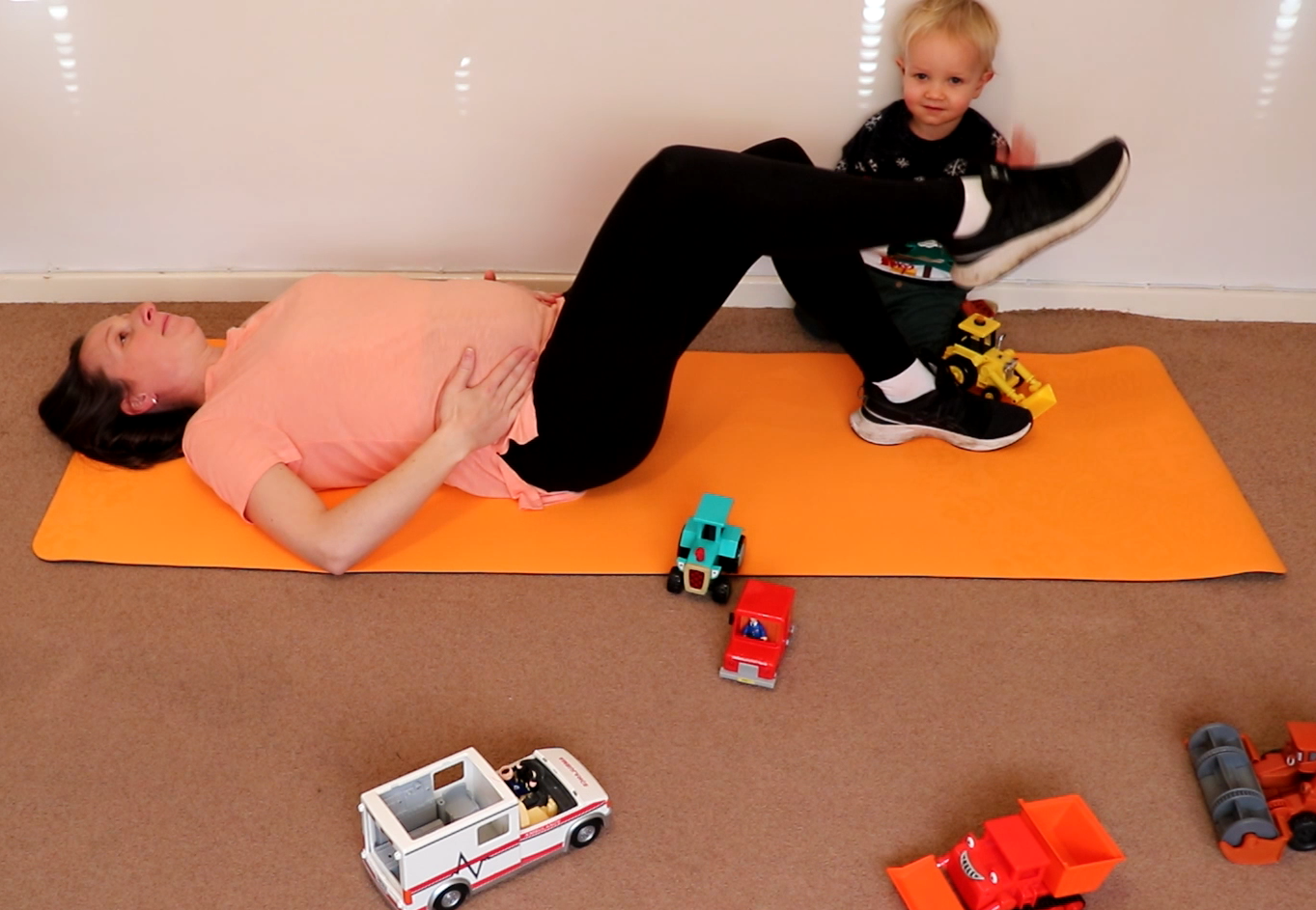
In ‘Pregnant Women and New Mums’, you will be able to exercise with real pregnant women and real new mums, carrying out safe exercises. You will see women at different stages of pregnancy and new mums with new babies and older babies. Remember if you’re a new mum, there are also exercises you can carry out holding the child and exercises you can do with the child right next to you.

If you are pregnant, it’s important to look at three factors.

  1. How you react to the first trimester – some women experience extreme sickness in the early stages of the first trimester. If this is the case, it’s sensible to eat little and often and have regular rest periods. Feel free to use our exercises, but maybe keep the exercise periods to 5 mins in these early stages and gradually increase them as your body adapts to the pregnancy. 
  2. Which trimester you are in ? – Women react very differently to different trimesters. Some find the first trimester hard and the second one easier, whereas others barely notice they are pregnant until 10 weeks in. This is all quite natural and in terms of exercise it’s sensible to carry out gentle stretching routines during weeks of tiredness. Some of our Swissball exercises will also help take pressure off your abdomen.  
  3. How big the foetus grows – If you have a large foetus, it is often useful to use some extra back exercises to give extra support. Exercises sitting on the Swissball can also help as it allows gentle core activation and a more comfortable sitting position for short periods. 

Exercise With Real Pregnant Women and New Mums

The massive growth in social media has led to the growth in ‘fitness’ or ‘exercise influencers’. Following the advice of such people is ok if they are qualified to talk about their subject. However, much of the information out there is dangerous, especially for pregnant women and new mums. Videos of third trimester women lifting heavy weights and carrying out intense exercise are common. Some women will follow this advice and get away with it. What isn’t publicised is the women who follow this advice, and it leads to harm. Overstretched tendons and ligaments are common, and damage to tummy muscle in new mothers. Over-exertion during pregnancy could even harm to the foetus.  

It’s extremely important to follow the medical science in any exercise programme – which is why we suggest you use our exercises. You will see pregnant women and new mums on our app carrying out safe exercises and routines. Our focus is HEALTH and WELLNESS in these precious months. But don’t worry – if you want to tone your body again, we can help you with that too in a safe timescale.  

At Sport and Health, we love to give you the option to train with cheap and easily available pieces of equipment – or to train without equipment. You will have lots of options. You can have days exercising with equipment and days without. You can train with the child or on your own, and best of all you can do it all in your home if you wish. 

No Image
×
No Image

If you like equipment, some of the most useful are:

  1. A comfy, padded mat. Beware of getting thin yoga mats as kneeling on hard surfaces can affect something called the Bursa in your knee. The Bursa is a fluid-filled sac that acts as a cushion between a bone and a tendon. If you compress it, it can become inflamed. It’s also important to have some cushioning under you back when lying down for exercises (never lie on your stomach when pregnant). 
  2. An anti-burst Swissball. We suggest you get a 45 or 55 cm ball. Remember the smaller the ball, the harder you have to work on balance. If you order through the post, make sure to buy a cheap pump for it at the same time as it’s best to keep the ball firm for use. 
  3. Elastics. It’s possible to get more expensive elastics from companies such as ‘Bodylastics’. They come in kits that allow you to attach them to a door anchor, which will sit in the hinge of your door. You also get ankle straps – helping you to carry out leg elastics and handles that help with arm elastics. They come in varying colours and strengths – but unless you’re a trained athlete, the green elastics, (which are 5lbs or 2.3kgs of tension), are usually fine. If you feel quite weak, you can start with the yellow elastics which are which are 3lbs or 1.4 kgs of tension 
  4. You can get therabands for as little as 99p each. You can also by rolls for around £20 and cut strips for use. They will last roughly 3 months for each strip. They don’t have the strength of elastics and are not as easy to attach to anchor points. However, they are useful for simple exercises while seated and can also be tied in a loop to put around the legs and use for basic strengthening exercises. 
  5. A set of light dumbbells – 1 or 2 kg. These will allow gentle arm and shoulder exercises and can be used while seated.  
×

Bonding With the Child Through Exercise

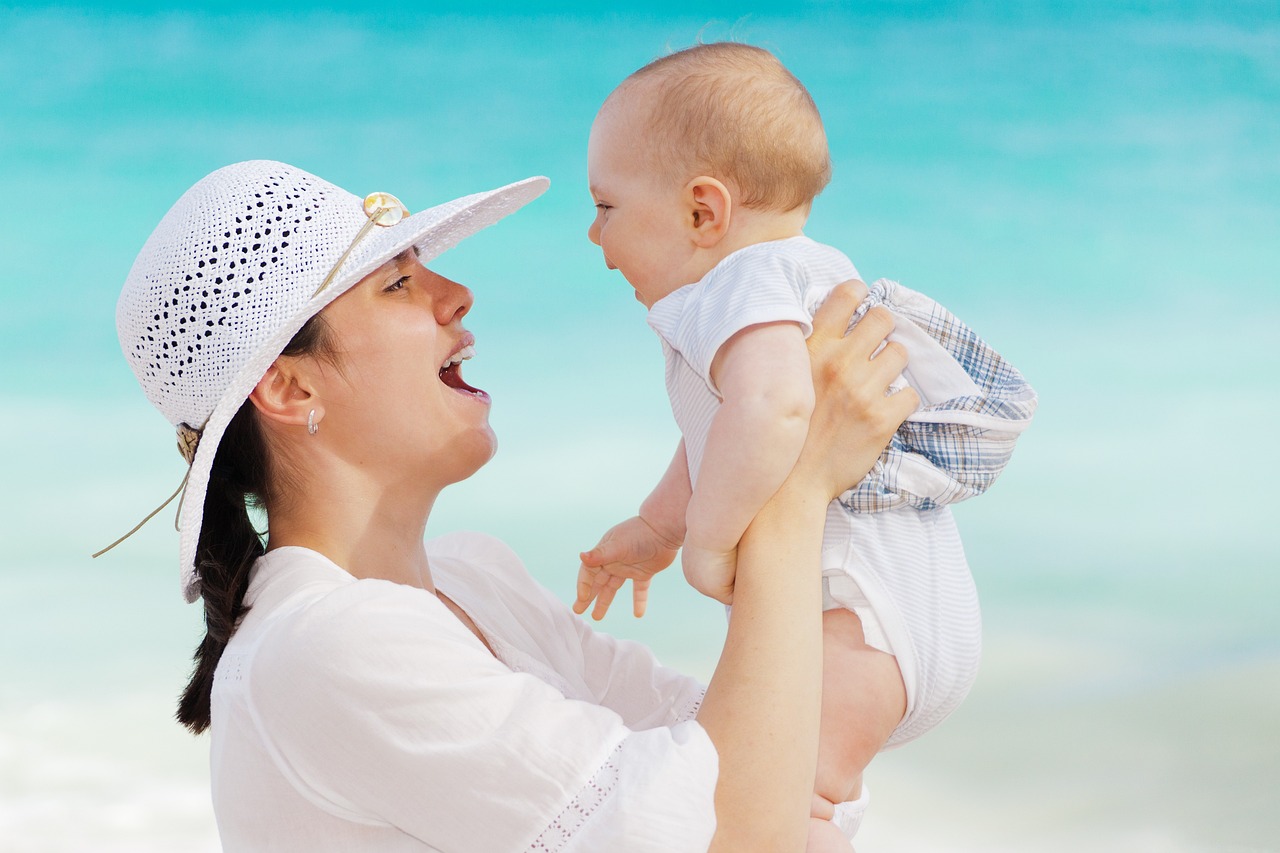
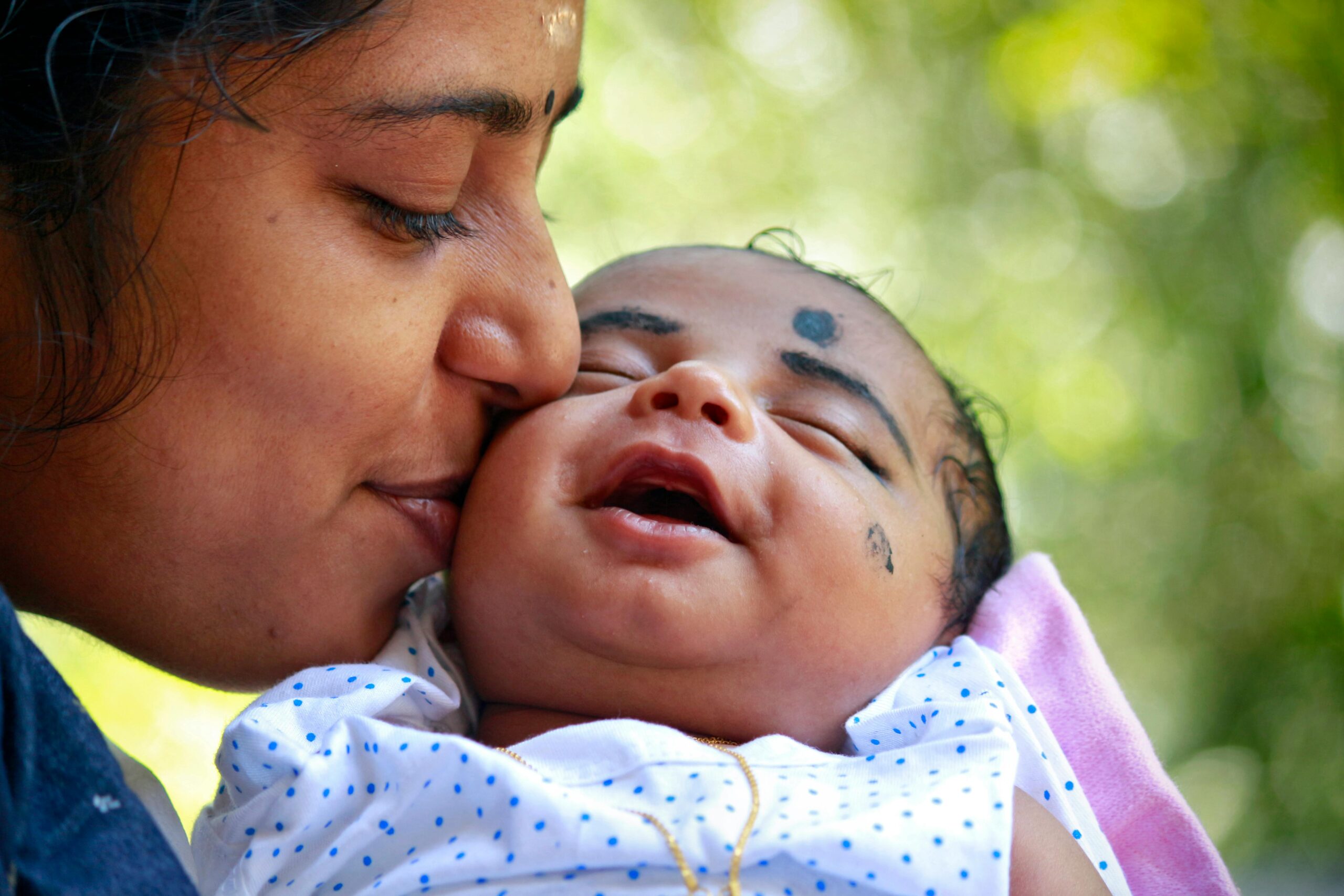
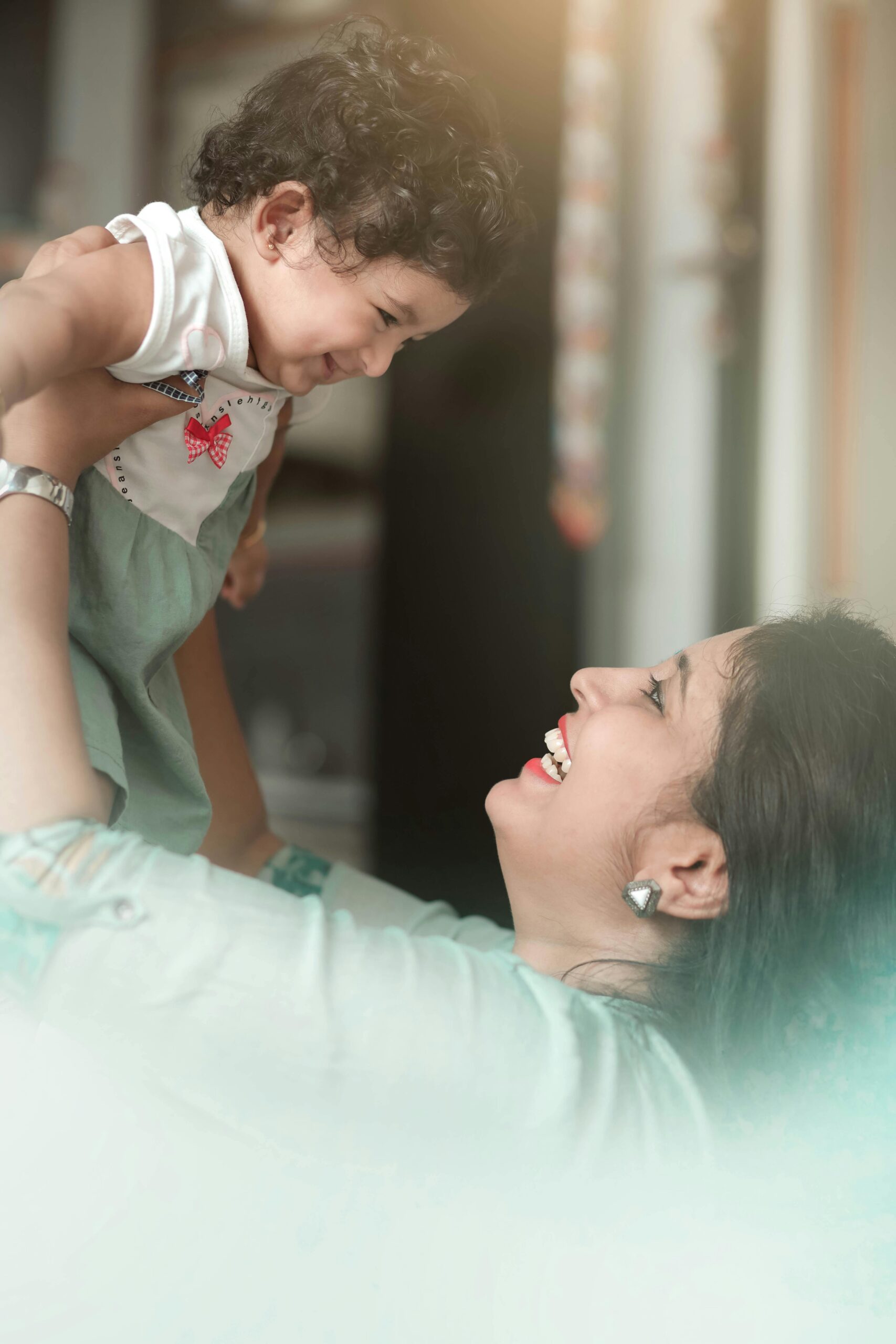
The first  year of pregnancy can be a daunting time for the mother. Irregular hours, tiredness and the responsibility of a new life that relies on you can sometimes lead to many thinking that they will need to give up their own needs for a year. It’s important to realise however that not only can you exercise with the child, but it can actually be a magical time where the bond between you grows. This process can also continue as the child grows older.  

Exercising while pregnant can also be a magical time. If you are carrying out the correct exercises, you will often feel the baby kick in that time, especially if you have music on. Remember also, that you will be creating extra blood flow in that time which is good for you and the baby.  

There are different methods of training with a baby, and we’ll show you both on the app, whether that’s carrying  the baby or exercising with the baby right next to you. 

At Sport and Health, we encourage families to exercise together. In a world with so little time now, it’s a great idea to use exercise time to create an environment of bonding and health. During Covid many families carried out exercise sessions at home, or went on walks, run or bike rides together. Let’s get back to that in post-covid times and remember the positives that we learnt.

No Image
×

Working With Groups

We are experts in working with groups in the following area  

  • Exercising in pregnancy 
  • Exercising post partum 
  • Exercising as a new mum 
  • Parent and Child Exercise

If you would like us to give a presentation, help train your workforce or help set online programmes, please contact us any time. We can  give huge discounts for group use of the app and develop specialist software for specific use and analysis. 

https://sportandhealth.world/wp-content/uploads/2024/08/PWNM-2.4-pic-1.jpg https://sportandhealth.world/wp-content/uploads/2024/08/PWNM-2.4-pic-2.jpg https://sportandhealth.world/wp-content/uploads/2024/08/PWNM-2.4-pic-3-scaled.jpg

Mom-to-Mom Fitnes

Nurturing Wellness for Expecting and New Mothers
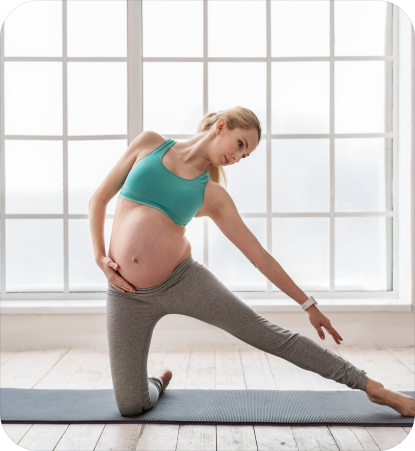
Embracing Motherhood with Fitness

Lorem Ipsum is simply dummy text of the printing and typesetting industry. Lorem Ipsum has been the industry's standard dummy text ever since the 1500s
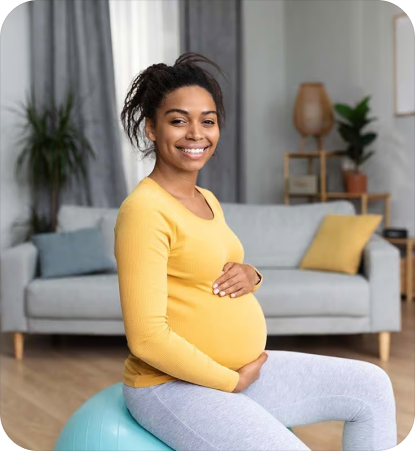
Safe and Effective Workouts for Expecting Moms

Learn about tailored exercises designed specifically for pregnant women. From gentle stretches to low-impact cardio, we'll discuss routines that promote strength
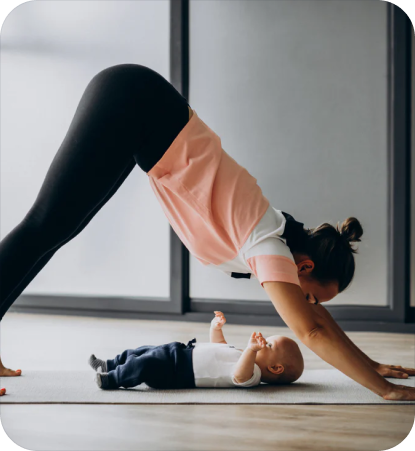
Postnatal Fitness: Restoring Strength and Vitality

After childbirth, the focus shifts to rebuilding strength and stamina. Explore gentle exercises and targeted workouts that aid in postpartum recovery
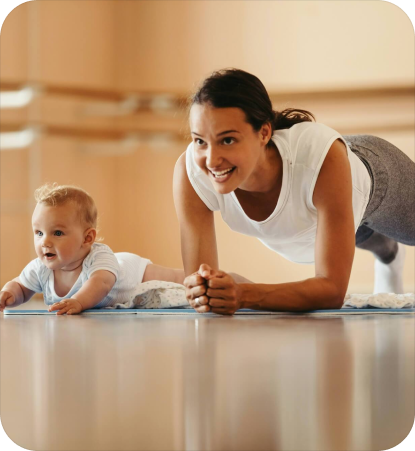
Bonding Through Movement: Mom and Baby Workouts

Discover the joy of bonding with your newborn through fitness. We'll introduce interactive exercises that incorporate your baby, fostering connection
iPhone14
Advice FromTrainer to World Champions in 3 Different Sports
Advice FromNational Cross-Country Champion Twice & International Marathon Runner
Advice FromDietitian With 2 National Awards

Download the App

Begin your wellness journey by downloading our app from your device's app store. Install it and prepare for a transformative experience.


Join Our Newsletter - Coming Soon

    Sport and Health
    Privacy Overview

    This website uses cookies so that we can provide you with the best user experience possible. Cookie information is stored in your browser and performs functions such as recognising you when you return to our website and helping our team to understand which sections of the website you find most interesting and useful.